 SupaFocus
Dopamine Detox: The Practical, App-Enforced Guide
A dopamine detox is a planned break from high-stimulation digital inputs — short video, feeds, games — so ordinary activities feel rewarding again. The reliable way to run one is enforcement: block those apps for 24 hours to 4 weeks with SupaFocus, using Strict mode so the detox survives its first craving.
What a dopamine detox actually is
The pop-science version (“drain your dopamine”) is wrong — dopamine isn't a tank. What's real is reward sensitivity: constant high-stimulation input (infinite scroll, autoplay, loot boxes) raises the bar for what feels rewarding, so reading, work, and conversation feel flat. A detox is simply a sustained break that lets the bar drop back down.
A protocol that works
- Choose your tier. Beginner: 24 hours. Solid: a weekend. Reset: 1–4 weeks of your worst 3–5 apps.
- Block, don't abstain. White-knuckling is the #1 reason detoxes fail by hour six. Make the apps unopenable instead.
- Keep the phone useful. Leave Messages, Maps, camera, and music available — this is a detox, not a punishment.
- Plan replacements. Boredom is the withdrawal symptom. Books, gym, walks, actual hobbies.
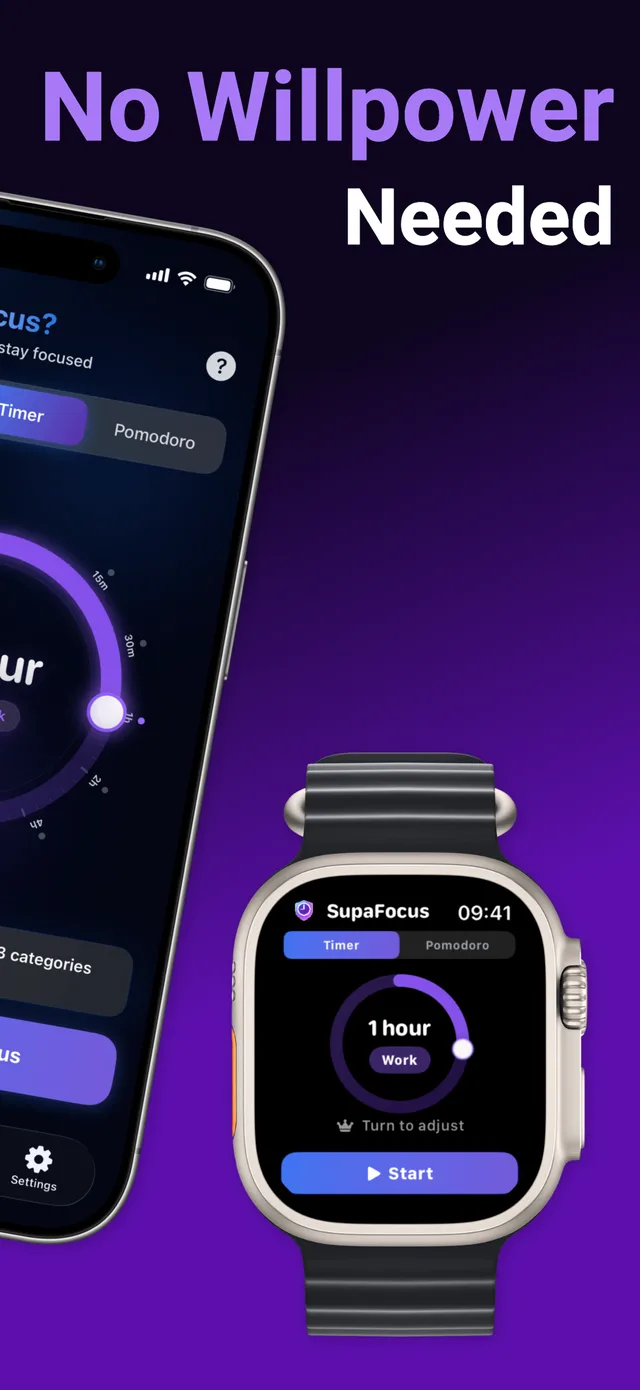
How to run a dopamine detox with SupaFocus
Block the high-stimulation stack
Short video, social feeds, games — apps and their websites.
Set a long custom session
SupaFocus custom sessions run up to 4 weeks — perfect for a full reset.
Use Strict mode
The detox that can't be cancelled is the one that works.
Watch the after-effects
Most people report better focus and calmer evenings within the first week — your Progress tab will show it.
Ready to try it?
SupaFocus is free on the App Store. Set up your first block in under a minute.
Download SupaFocus FreeFrequently asked questions
How long should a dopamine detox last?
Start with 24 hours. If you notice the difference (most do), do a weekend next, then consider a 2–4 week reset of your worst apps.
Do I have to give up my phone entirely?
No — that's why an app-level blocker beats a phone lockbox. Block the slot machines, keep the tools.
Is a dopamine detox scientifically real?
The 'draining dopamine' framing is a myth, but reducing high-stimulation input to restore reward sensitivity is consistent with how habituation works — and the practical benefits are widely reported.